At its core, weight loss is an equation: Burn more calories than you consume. If you control those calories by staying in a calorie deficit, you can lose weight without exercising. However, that approach can easily become extreme and restrictive, just like exercise can if you rely on it too heavily. That’s why experts tend to recommend a healthy balance of diet and exercise to stay in shape.
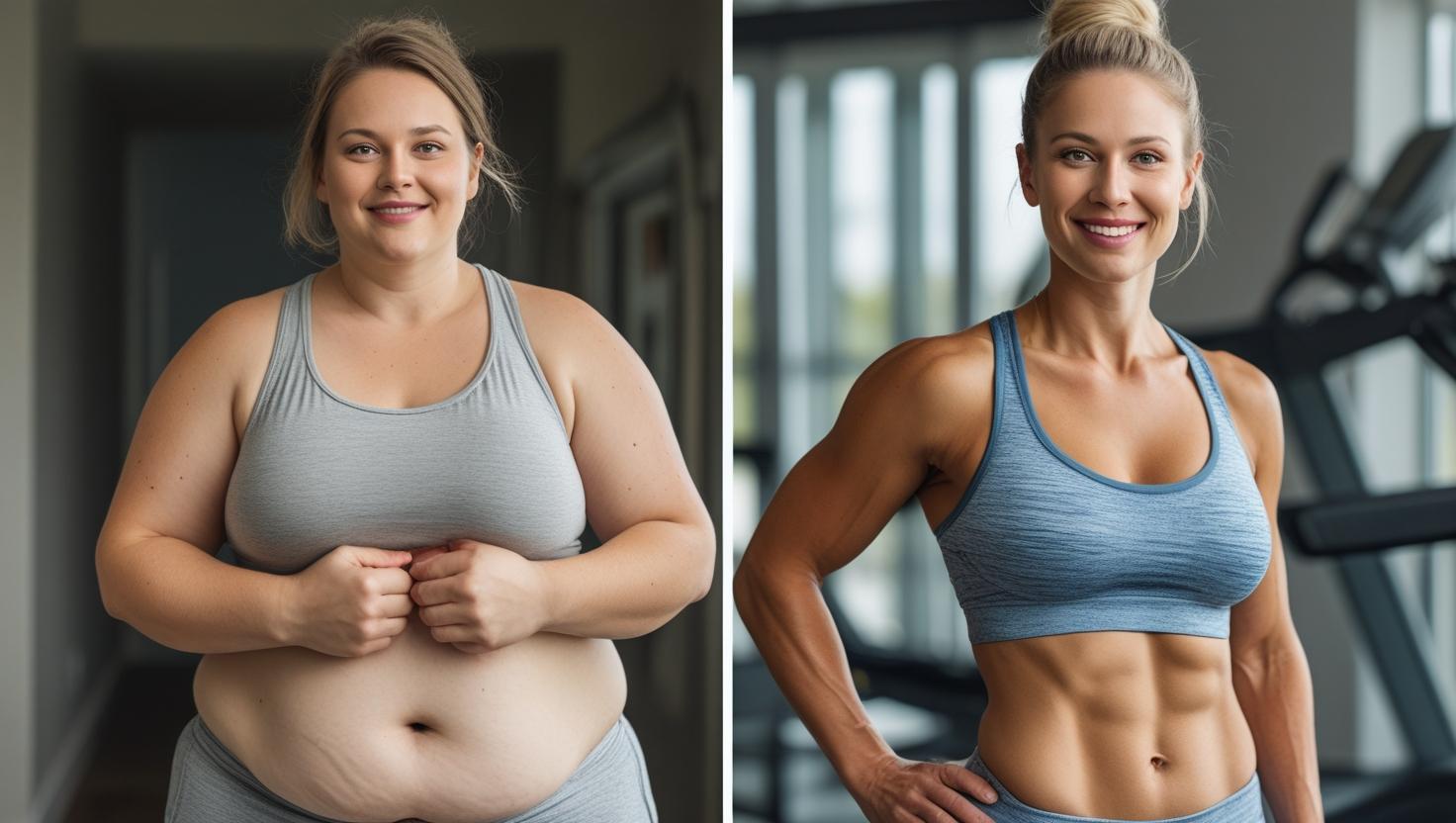
Still, if you lead a busy lifestyle, don’t prefer intense movement, or have physical limitations that keep you from burning calories to lose weight, nutrition is a powerful weight loss tool. “Nutrition, including both what and how much we eat, is by far the most important aspect for losing weight,” says Spencer Nadolsky, D.O., obesity and lipid specialist physician and founder at Vineyard.
And just because you don’t schedule fitness into your day doesn’t mean you won’t burn calories. “You can accidentally get exercise into your day but you can’t accidentally eat well—you have to be intentional about it,” says Jessica Cording, R.D., author of The Little Book of Game Changers.
How to lose weight without exercising
- Review your portions.
When you’re at home, eat from smaller plates and bowls. You’ll likely take in fewer calories, and it tricks your brain into thinking you’re chowing down on more than you actually are. A good rule of thumb for a balanced meal: a clenched fist is a good portion size for a dense carb (1 cup), and your palm measures to about 4 oz, a good portion size for lean meat or protein—then add about 2 tbsp healthy fat (ideally from whole foods like nuts or avocado), plus plenty of green or colorful veggies to fill the rest of your plate.
When you eat out, try ordering a small salad and an appetizer instead of a big meal. You can also share a dish with a friend or ask for a box to take half of your meal home. Planning ahead helps you stick to your goals.
2. Don’t skip meals.
Some think eating only one or two meals a day is good for losing weight. But, skipping meals can lead to overeating or snacking. Eating three meals with control can help you feel full and eat fewer calories.
3. Eat more fiber.
Fiber is great for weight loss, says Karen Ansel, M.S., R.D.N. It expands in your stomach, making you feel full. It also helps your gut bacteria, which tells your brain you’re full. Aim for 25 grams a day from whole grains, beans, fruits, and veggies.
4. Load up on protein too.
Protein makes you feel full, says Ansel. It takes time to digest, so you won’t snack after eating it. It also burns more energy than fat or carbs, so you store fewer calories. Aim for 20 grams per meal from lean sources like fish, chicken, and eggs.
5. Have plenty of fat.
Fat is important for feeling full, says Cording. It prevents blood sugar crashes that make you hungry. Add healthy fats like olive oil, avocado, and nuts to your diet. Fats should be 20 to 35% of your daily calories.
6. Balance out your carbs.
Carbs don’t have to be cut out completely, says Cording. Balance carbs, protein, and fat to stay full. The Dietary Guidelines suggest carbs should be 45% to 65% of your daily calories.
7. Get enough sleep.
Sleep is key for weight management, says Nadolsky. Lack of sleep can make you snack more. Aim for six hours of sleep a night to help with weight loss.
8. Hydrate, hydrate, hydrate.
Drinking water can stop you from mistaking thirst for hunger. This can prevent overeating. Drinking water before meals can also help with weight loss.
- Cut down on sugar.
“It’s unclear whether sugar in and of itself makes you gain weight,” says Ansel. “But one thing is for sure—it tends to travel in foods that have way too many calories. Whether it’s soda, sweetened lattes, or dessert, these should be the first foods to go if you’re trying to slim down.” And remember, the sweet stuff is hidden in all sorts of foods—ketchup, bread, salad dressing, and so on. - Don’t drink your calories.
It’s a simple way to take in fewer calories overall. But there’s another important reason to follow this rule: Drinking calories, rather than eating them, is less satisfying and doesn’t lead to the same feeling of fullness, research shows. So that’s another reason why drinking your calories—especially sugary beverages—can lead to weight gain. - Eat more mindfully.
In other words, slow down. Your brain needs to catch up with your mouth and send the signal that you’re full, and that’s harder when you’re speeding through your meal. Also, studies have shown that when you’re distracted, you tend to eat more. So stash your phone, turn off the TV, and pay attention to what you’re eating. - Cut out diet sodas.
A recent study found that kids and teens who drink diet beverages eat more calories during the day. This is just one of several studies connecting diet drinks to weight gain. So again—water is a great bet! Want to make it more interesting? Get a water bottle infuser, an easy way to add fruit. - Increase your N.E.A.T.
The acronym stands for non-exercise activity thermogenesis, “or the amount of calories we burn not including exercise or breathing/digesting,” explains Evink. Your N.E.A.T. can make up over 40% of your daily total expenditure or calories burned, she adds, even more so than exercise.
“Think small, little changes like walking around your house while you are talking on the phone or standing up while doing laundry,” she says. “It doesn’t seem like much but these activities can add up throughout the day. This is especially important during the winter, when we are not as active.” - Breathe.
When you’re stressed, your levels of the hormone cortisol spike (it’s that fight-or-flight response). And some older studies have shown that people tend to eat more if they’re “high cortisol reactors” (you know, those people who particularly tend to lose their chill under stress). So to avoid the urge to nom (and to protect your health), take time each day to do something to lower the stress temperature, whether it’s meditation, exercise, or sitting quietly with a good book. - Write things down.
“It may not be sexy, but study after study has shown that writing down what you eat is one of the most effective weight loss tools out there,” says Ansel. “Whether it’s in a journal, using the notes app on your phone, or your favorite weight loss app, recording what you eat is the single best way to identify those sneaky little ways you might be overdoing it.” - Don’t sweat “off” days.
Keri Gans, R.D., author of The Small Change Diet, says she’ll often see people who have an “all or nothing” attitude about eating healthy. “Instead of letting one day of ‘poor’ eating go and returning to their plan, they simply give up on it all together,” she says. Her advice: Focus on the overall healthy eating goal and don’t stress the small stuff. - Create an eating plan for the long haul.
Gans stresses the importance of looking at weight loss as a way to eat more healthfully, now and in the future. That’s why she recommends viewing your eating plan as a change in lifestyle that you’ll maintain, versus something temporary. She also suggests incorporating foods you love into your eating plan to make sure you don’t feel deprived. “Learn how to incorporate them into your plan in a healthier way,” she says.
How many pounds can you lose without exercising?
Remember, losing weight is different for everyone. Exercise, like walking, is crucial for health. It’s not just about the weight loss.
“You can safely lose up to 1% of your body weight per week without exercising,” says Nadolsky. “For example, someone weighing 200 pounds could lose about two pounds per week safely in the beginning of their weight loss journey.” Losing weight depends on calories in and out.
How can I lose 20 pounds in a month without exercise?
Weight loss drugs can help without exercise. But, Evink warns, they should be used with healthy habits and exercise. Many lose muscle, not just fat.
It’s not safe to lose 20 pounds in a month, Nadolsky says. Such rapid weight loss is extreme and often unhealthy.
When to see a doctor
“Many people will have trouble losing weight and keeping it off despite their best efforts,” Nadolsky says. Health issues, like thyroid disease, can make weight loss hard. If you’re worried, see your doctor.
🔥 Ready to Transform Your Body in Just 21 Days? 🔥
It’s time to ditch the guesswork and jumpstart your fat loss with The 21-Day Fat Burn Blueprint — your proven roadmap to a leaner, stronger, more confident you.
✅ Rapid results without starving
✅ Simple, science-backed strategies
✅ Perfect for busy people who want real change
Thousands have already taken control of their health — now it’s YOUR turn.
👉 Don’t wait. Start your 21-day transformation today and unlock the body you deserve.
Tap below to get instant access — your future self will thank you!
Conclusion
You can lose weight without exercise, but don’t ignore movement. “Exercise is important for many reasons,” says Lisa Moskovitz, R.D. “I believe exercise is a reward and a great tool for mental and physical well-being.”
 Amazone Digitals
Leave a comment