Indulge in the rich and creamy world of Indian cuisine with a simple yet delicious butter chicken recipe that’s perfect for any meal.

Quick & Easy Homemade Butter Chicken
This popular Indian dish, also known as chicken makhani, is a staple in many restaurants, but making it at home is easier than you think. With a few basic ingredients and some straightforward steps, you can enjoy a flavorful and aromatic meal that’s sure to become a family favorite.
Key Takeaways
- Learn how to make a quick and easy homemade butter chicken recipe.
- Discover the secrets to a creamy and rich Indian butter chicken dish.
- Explore the flavors and ingredients that make chicken makhani a beloved recipe.
- Find out how to customize your butter chicken recipe to suit your taste.
- Enjoy a delicious and satisfying meal with minimal effort.
The Rich History of Butter Chicken: From Delhi to Your Dinner Table
Butter chicken’s journey from a local Delhi dish to a global culinary sensation is a story of culinary innovation and cultural exchange. This beloved dish has not only captured the hearts of food lovers worldwide but has also become a staple of Indian cuisine.
Origins of the Classic Indian Dish
The origins of butter chicken are deeply rooted in the culinary traditions of Delhi. The dish is believed to have been created in the 1950s by Kundan Lal Gujral, a renowned chef at Moti Mahal, a famous restaurant in Delhi. According to culinary lore, Gujral experimented with leftover tandoori chicken by adding it to a rich, creamy tomato sauce, thus creating the iconic dish.
As Madhu Goyal, a food historian, notes, “Butter chicken was a revolutionary dish that combined the tender, smoky flavor of tandoori chicken with a rich, creamy sauce, setting a new standard for Indian cuisine.” This innovation not only pleased the local palate but also laid the foundation for the global popularity of butter chicken.
How Butter Chicken Became a Global Sensation
The global spread of butter chicken can be attributed to the Indian diaspora and the growing popularity of international cuisine. As people from India traveled and settled in different parts of the world, they took their culinary traditions with them, adapting and evolving to suit local tastes.
Today, butter chicken is enjoyed not just in India but in restaurants and homes across the globe, from the United States to the United Kingdom, and beyond. Its universal appeal lies in its rich flavors and the comfort it provides as a satisfying meal. As
“Butter chicken has transcended its origins to become a global culinary phenomenon, symbolizing the power of food to bridge cultures and bring people together.”
Quick & Easy Homemade Butter Chicken: Essential Ingredients
Crafting the perfect butter chicken starts with understanding its essential ingredients. The dish’s flavor profile is built around a few key components: the protein, the spice blend, and the dairy elements.
The Protein: Choosing the Right Chicken
For butter chicken, it’s crucial to choose the right type of chicken. Boneless, skinless chicken thighs are preferred due to their tender texture and rich flavor. They remain juicy even after marination and cooking, making them ideal for this dish.
The Spice Blend: What Makes Butter Chicken Unique
The spice blend is what gives butter chicken its distinctive flavor. Key spices include garam masala, cumin, coriander, and cayenne pepper. These spices are blended in specific proportions to achieve the characteristic taste of butter chicken. Garam masala adds warmth, while cumin and coriander provide earthy notes.

butter chicken ingredients
Dairy Components: Butter, Cream, and Alternatives
Dairy components are essential for the richness of butter chicken. Butter and heavy cream are traditional ingredients that give the dish its creamy texture and rich flavor. For those with dietary restrictions, alternatives such as coconut cream or non-dairy butter can be used. These alternatives can mimic the richness of traditional dairy products while catering to different dietary needs.
By focusing on these essential ingredients and understanding their roles, you can create a delicious and authentic homemade butter chicken that rivals restaurant versions.
Kitchen Equipment You’ll Need
The journey to a delicious homemade butter chicken starts with equipping your kitchen with the necessary tools. Having the right equipment not only simplifies the cooking process but also ensures that the dish turns out flavorful and authentic.
Basic Tools for Preparation
To begin, you’ll need some basic preparation tools. A cutting board is essential for chopping the chicken and vegetables. A sharp knife will make the chopping process easier and safer. Additionally, a mixing bowl is required for marinating the chicken.
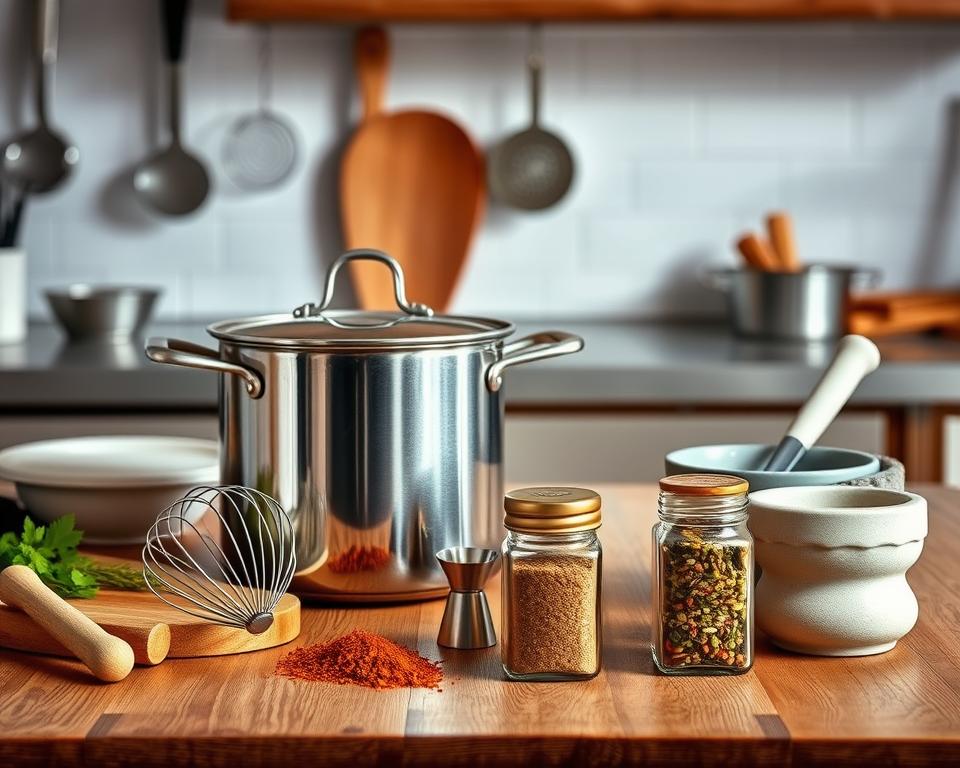
kitchen equipment for cooking butter chicken
Cooking Vessels and Appliances
For cooking, a large skillet or saucepan is necessary for making the butter chicken sauce. If you have an immersion blender, it can be very useful for blending the sauce directly in the pan. Alternatively, a regular blender can be used to blend the sauce in batches. A stovetop or cooktop is required for cooking the chicken and the sauce.
Preparing the Chicken: Marination Techniques
The secret to making exceptional Butter Chicken begins with marinating the chicken to perfection. Marination is a process that not only tenderizes the chicken but also infuses it with flavors that are characteristic of this beloved dish.

chicken marination
The Perfect Yogurt Marinade
A yogurt marinade is essential for creating tender and flavorful chicken. The acidity in yogurt helps break down the proteins in the chicken, making it tender and juicy.
Key Spices for the Marinade
The marinade isn’t just about yogurt; it’s also about the blend of spices that you add to it. Key spices include cumin, coriander, garam masala, and cayenne pepper, which together create a complex flavor profile.
Yogurt Selection Tips
Choosing the right yogurt is crucial. Full-fat yogurt is preferred because it provides a richer flavor and better tenderization. Ensure that the yogurt is plain and unflavored to avoid altering the intended flavor of the dish.
Marination Timing for Maximum Flavor
The duration of marination directly impacts the flavor and tenderness of the chicken. A minimum of 30 minutes is recommended, but marinating the chicken for a few hours or even overnight yields the best results.
Pre-cooking Options: Grilling vs. Baking
After marination, the chicken can be cooked using various methods. Grilling adds a smoky flavor, while baking is a healthier option that still results in juicy chicken. Grilling is recommended for an authentic flavor, but baking is a suitable alternative.
As
“The art of cooking lies in the details, and marination is one of those crucial details that can make or break a dish.”
, so it’s essential to get it right.
Creating the Signature Butter Chicken Sauce
Creating a signature butter chicken sauce involves more than just mixing ingredients; it’s about achieving a balance of flavors that complement the tender chicken and enhance the overall dining experience.
Base Ingredients and Their Roles
The foundation of a great butter chicken sauce lies in its base ingredients. Tomatoes are the primary component, providing a rich, tangy flavor. The choice between fresh or canned tomatoes depends on the desired intensity and convenience.
Tomato Selection and Preparation
For a deeper flavor, canned crushed tomatoes are recommended. If using fresh tomatoes, blanch and puree them to create a smooth base. The preparation method can significantly impact the sauce’s overall texture and taste.
Aromatics: Onions, Garlic, and Ginger
Aromatics such as onions, garlic, and ginger are sautéed to create a depth of flavor. These ingredients are fundamental in building the sauce’s complexity and aroma.

butter chicken sauce preparation
Achieving the Perfect Consistency
The consistency of the butter chicken sauce is crucial. It should be thick enough to coat the chicken but still pourable. Cream and butter are typically added to achieve this richness. Adjusting the amount of these ingredients can help attain the desired consistency.
Balancing Flavors: Sweet, Savory, and Tangy
A well-balanced butter chicken sauce harmonizes sweet, savory, and tangy flavors. This balance is achieved by adjusting the amount of spices, tomatoes, and cream. The key is to taste and adjust as you go, ensuring that no single flavor overpowers the others.
Step-by-Step Cooking Process
Mastering the cooking process of Butter Chicken is easier than you think with our detailed guide. This popular Indian dish can be broken down into three manageable phases, ensuring a delicious outcome every time.
Preparing the Chicken
The first phase involves preparing the chicken. Start by marinating chicken pieces in a mixture of yogurt, lemon juice, and spices. The acidity in the yogurt helps tenderize the chicken, while the spices infuse flavor. Let it marinate for at least 30 minutes, or up to 2 hours in the refrigerator.
Once marinated, cook the chicken in a skillet over medium-high heat until it’s browned and cooked through. You can also bake it in a preheated oven at 400°F (200°C) for about 15-20 minutes, or until done. Ensure the chicken is cooked thoroughly to avoid any food safety issues.
Creating the Sauce Base
The sauce is the heart of Butter Chicken. Begin by sautéing onions, garlic, and ginger in butter until they’re soft and fragrant. Then, add a mixture of tomato puree, spices, and a bit of water to create the base. Let it simmer for about 10 minutes, stirring occasionally, until the sauce thickens.
As noted by culinary experts, “The key to a great Butter Chicken sauce is in the balance of spices and the richness of the butter and cream.”
“A good sauce is all about layering flavors,” says Chef Kumar, a renowned Indian cuisine expert.
Combining and Simmering
Once the sauce base is ready, add the cooked chicken back into the sauce. Stir well to coat the chicken evenly. Let it simmer together for about 5-7 minutes, allowing the flavors to meld.
Finally, finish the dish with a swirl of heavy cream and a pat of butter. This not only adds richness but also gives the sauce a smooth, velvety texture. Serve hot, garnished with fresh cilantro.
| Phase | Action | Time |
| 1 | Marinate Chicken | 30 mins – 2 hrs |
| 2 | Cook Chicken | 15-20 mins |
| 3 | Simmer Sauce | 10 mins |

Butter Chicken cooking process
Regional and Creative Variations of Butter Chicken
The versatility of butter chicken allows for a wide range of creative variations, from regional twists to international fusions. This beloved dish can be adapted to suit different tastes and preferences, making it a versatile option for various culinary explorations.
North Indian vs. South Indian Adaptations
North Indian adaptations of butter chicken often feature a richer, creamier sauce, while South Indian versions might incorporate local spices and ingredients, such as coconut or curry leaves, to create a distinct flavor profile. For instance, a South Indian adaptation might use kashmiri red chilies for a deeper color and slightly different heat level.
International Fusion Versions
International fusion versions of butter chicken can blend Indian spices with elements from other cuisines. For example, a Korean-Indian fusion might incorporate gochujang into the sauce for a spicy, savory flavor. Such innovations can result in unique dishes that still honor the original’s essence. As chef
“Fusion cuisine is about creating something new while respecting the roots,”
highlighting the balance between tradition and innovation.
Spice Level Adjustments for Different Palates
Adjusting the spice level is crucial for catering to different tastes. For a milder version, reducing or omitting certain spices like cayenne pepper can help. Conversely, adding more chili or using hotter peppers can make it spicier. The key is to balance the flavors so that the dish remains harmonious.
By exploring these variations, home cooks can personalize butter chicken to their liking, experimenting with different regional and creative twists.
Troubleshooting Common Butter Chicken Challenges
The journey to perfecting Butter Chicken often involves overcoming common sauce and texture issues. Whether you’re a novice cook or an experienced chef, understanding how to address these challenges can elevate your dish from good to great.
Fixing a Too Spicy or Too Mild Sauce
If your Butter Chicken sauce is too spicy, you can tone down the heat by adding a dairy component like heavy cream or yogurt. Conversely, if the sauce is too mild, you can add a bit more garam masala or chili powder to boost the flavor. The key is to make adjustments gradually, tasting as you go to achieve the perfect balance.
Addressing Texture Issues
Texture problems in Butter Chicken can arise from undercooked chicken or an improperly thickened sauce. To fix this, ensure your chicken is cooked through before adding it to the sauce. If the sauce is too thin, simmer it for a few extra minutes to reduce it to your desired consistency. Using a cornstarch slurry can also help thicken the sauce without altering its flavor.
Rescuing Separated or Curdled Sauce
A separated or curdled sauce can be rescued by gently reheating it while whisking vigorously. If this doesn’t work, try adding a little more cream or butter and whisking until the sauce emulsifies again. Preventing separation in the first place involves slowly adding dairy components to the sauce while it’s warm and continuously whisking.
Serving, Storage, and Meal Planning
Homemade butter chicken is more than just a meal; it’s an experience that can be elevated with the right serving and storage techniques. The key to a memorable dining experience lies in the details, from the traditional accompaniments to the method of reheating leftovers.
Traditional Accompaniments and Serving Suggestions
Serving homemade butter chicken with the right accompaniments can enhance its flavors and overall dining experience. Traditional options include a variety of rice dishes and Indian bread.
Rice Options and Preparation
Basmati rice is a classic choice to pair with butter chicken due to its fluffy texture and mild flavor. For added flavor, consider preparing a pilaf with spices and herbs.
Bread Choices: Naan, Roti, and Beyond
Naan and roti are popular Indian breads that complement butter chicken well. Naan, with its slightly leavened texture, can be used to scoop up the rich sauce, while roti provides a more rustic experience.
Make-Ahead and Storage Tips
To make meal planning easier, butter chicken can be prepared ahead of time. The sauce can be made and stored in the refrigerator for up to 3 days or frozen for longer storage.
| Storage Method | Duration | Reheating Tip |
| Refrigerate | Up to 3 days | Gently reheat on stove |
| Freeze | Up to 3 months | Thaw overnight, reheat on stove |
Reheating Methods That Preserve Flavor
Reheating butter chicken requires care to maintain its creamy texture and rich flavors. The best method is to gently reheat it on the stove over low heat, stirring occasionally, until warmed through.
Conclusion: Mastering the Art of Homemade Butter Chicken
Mastering butter chicken at home is a rewarding experience that brings the flavors of India into your kitchen. With the guidance provided in this article, you’re now equipped to create a delicious, authentic homemade butter chicken dish that’s sure to impress.
By following the steps outlined, from preparing the chicken to creating the signature sauce, you’ve learned how to balance flavors and achieve the perfect consistency. The key to mastering butter chicken lies in practice and experimentation, so don’t be afraid to adjust spice levels and ingredients to suit your taste.
As you continue to refine your skills, you’ll find that homemade butter chicken becomes a staple in your culinary repertoire. Whether you’re cooking for family, friends, or a special occasion, this dish is sure to delight. So, keep exploring, and happy cooking.
 Amazone Digitals
Leave a comment